Flagship case study
deepstory: a topic-first short-video platform for calmer discovery.
deepstory makes short-video consumption more intentional. You stay inside a topic across different creators instead of being pushed through random emotional shifts. Scroll on to see exactly how it works.
25,642
paid installs
₹245K Google Ads spend, 12-month window
₹0.81
YouTube CPC
72% of all clicks via the most efficient channel
19.7%
left-swipe rate
Core save action, 2.4× the like button
9.5 : 1
positive-to-negative signals
Only 9% of swipes were skips
How deepstory works
Open deepstory and you land in one full-screen moment, football, one creator, full attention.
Swipe sideways to stay on football, the next take, a new voice, another angle on the same theme.
Swipe up and the whole world changes. Football gives way to fashion, a new feed, instantly.
Every sideways swipe goes deeper into the topic you're feeling right now. No mixed-bag whiplash.
Just the thread you chose, one frame at a time, each swipe a clear signal of intent.
Up again, and you're somewhere new, cars this time. Discovery without losing your place.
Two axes, infinite paths. Right for depth, up for discovery. That's the deepstory proof of concept.
Scroll to play the swipe →
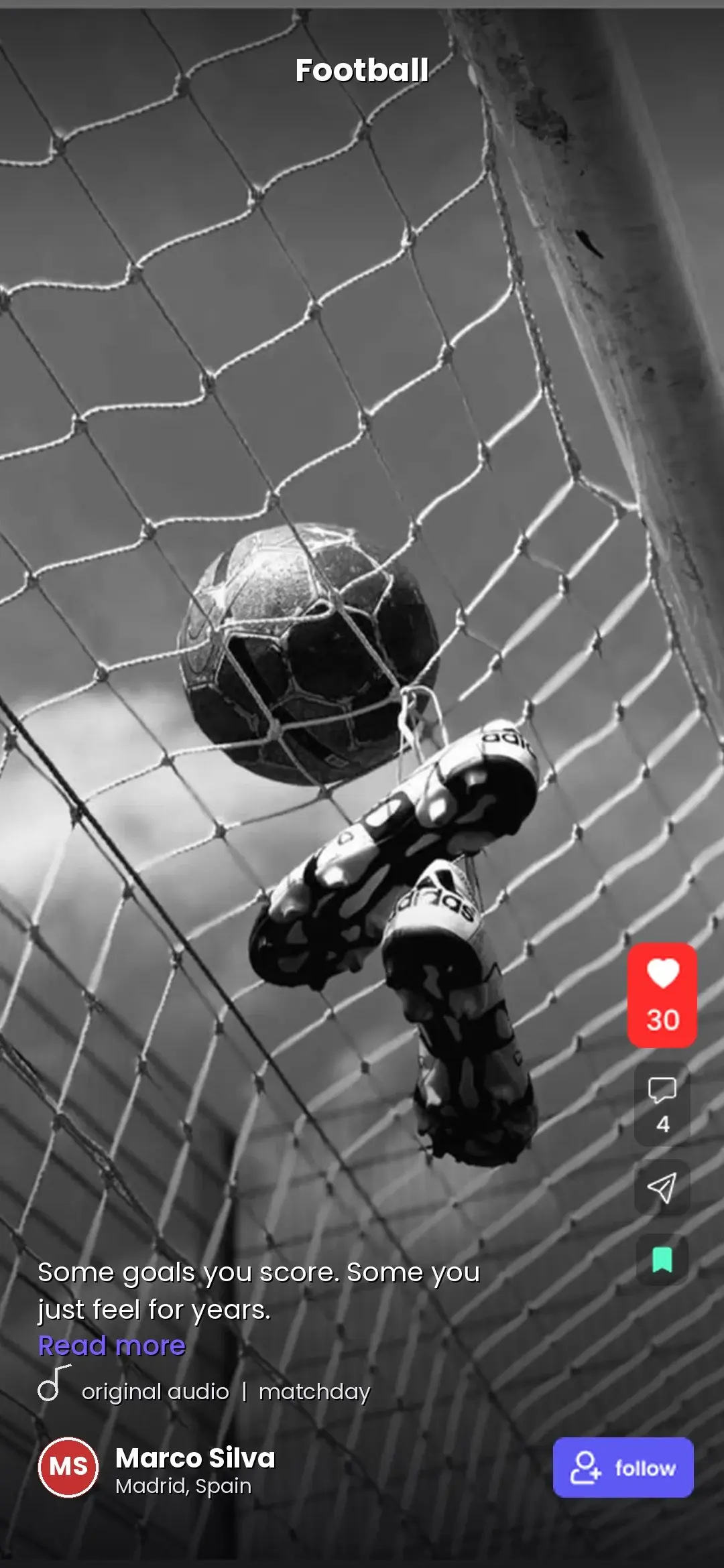
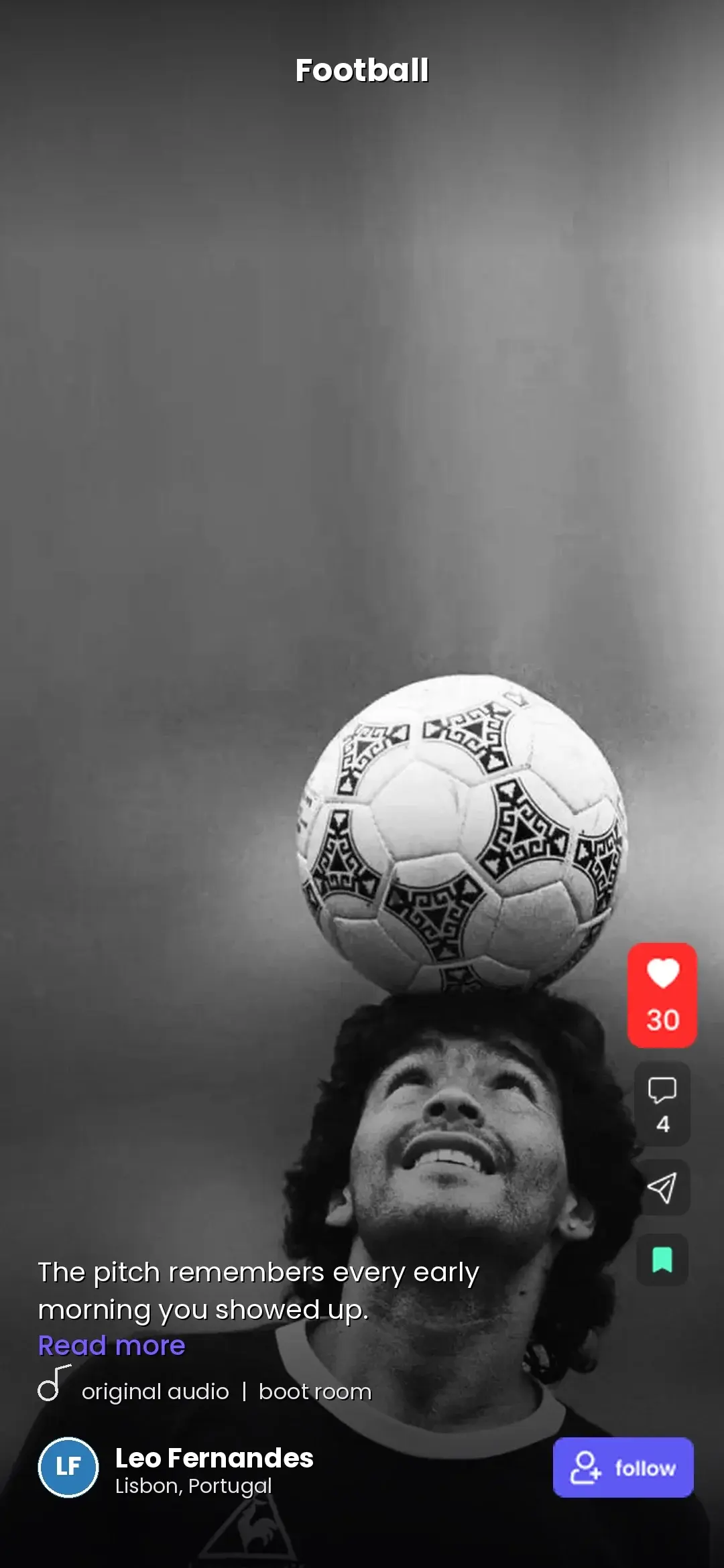
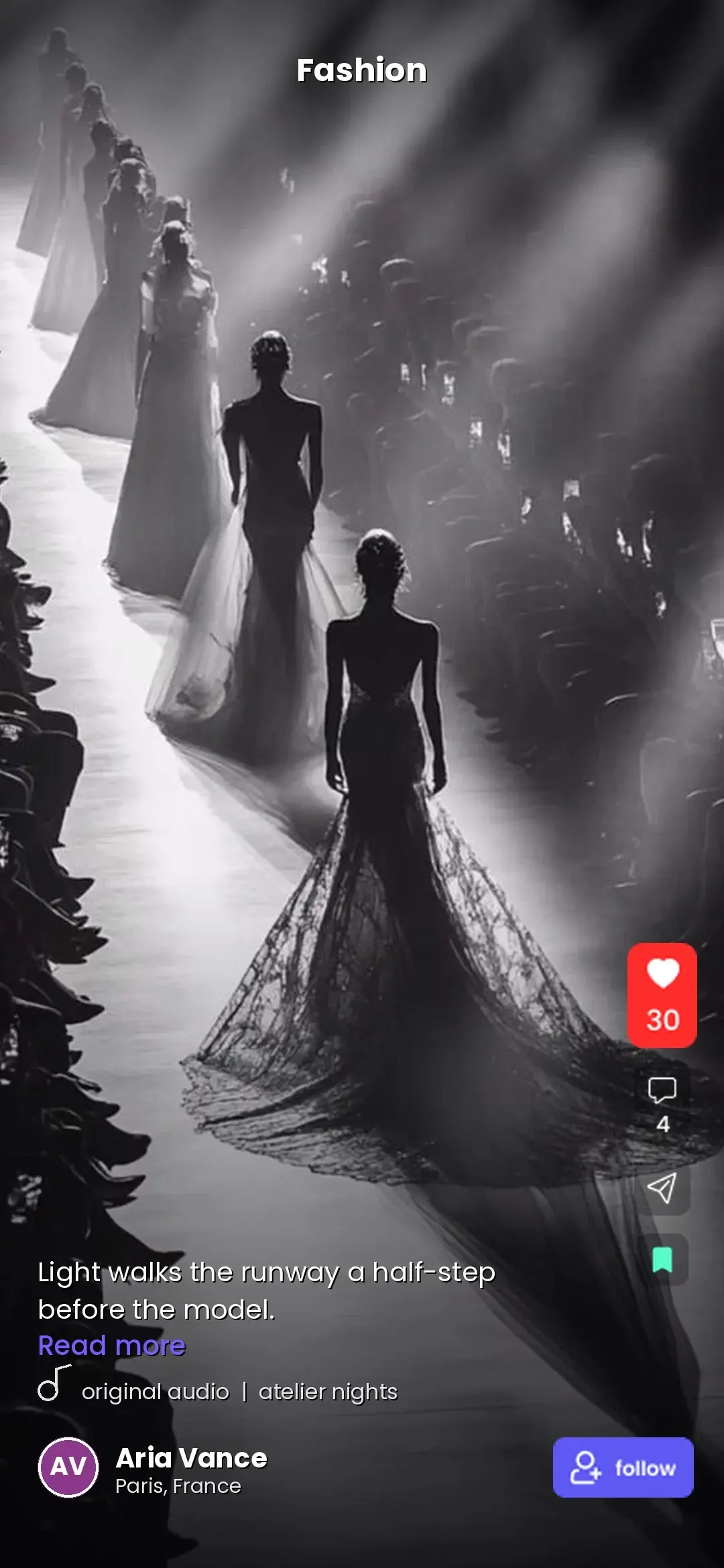
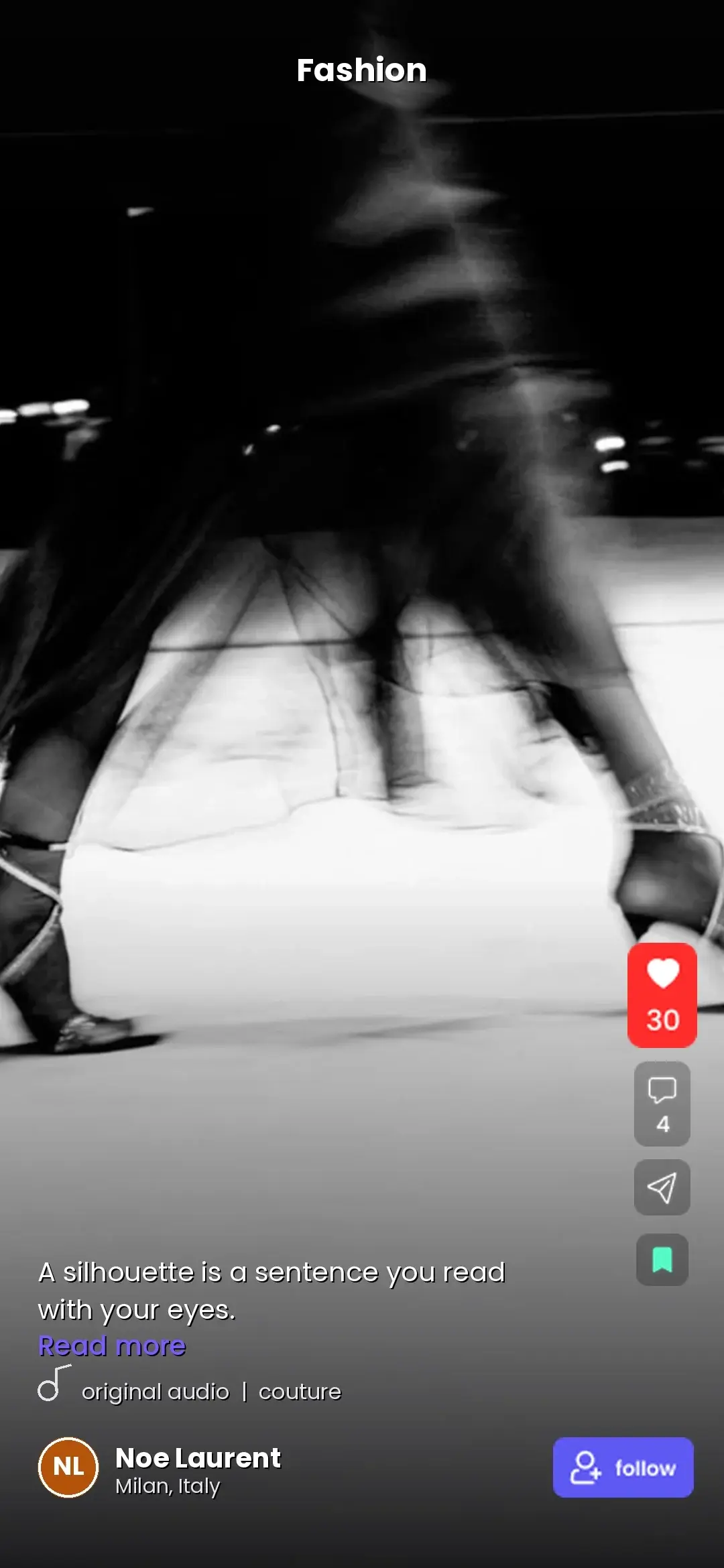
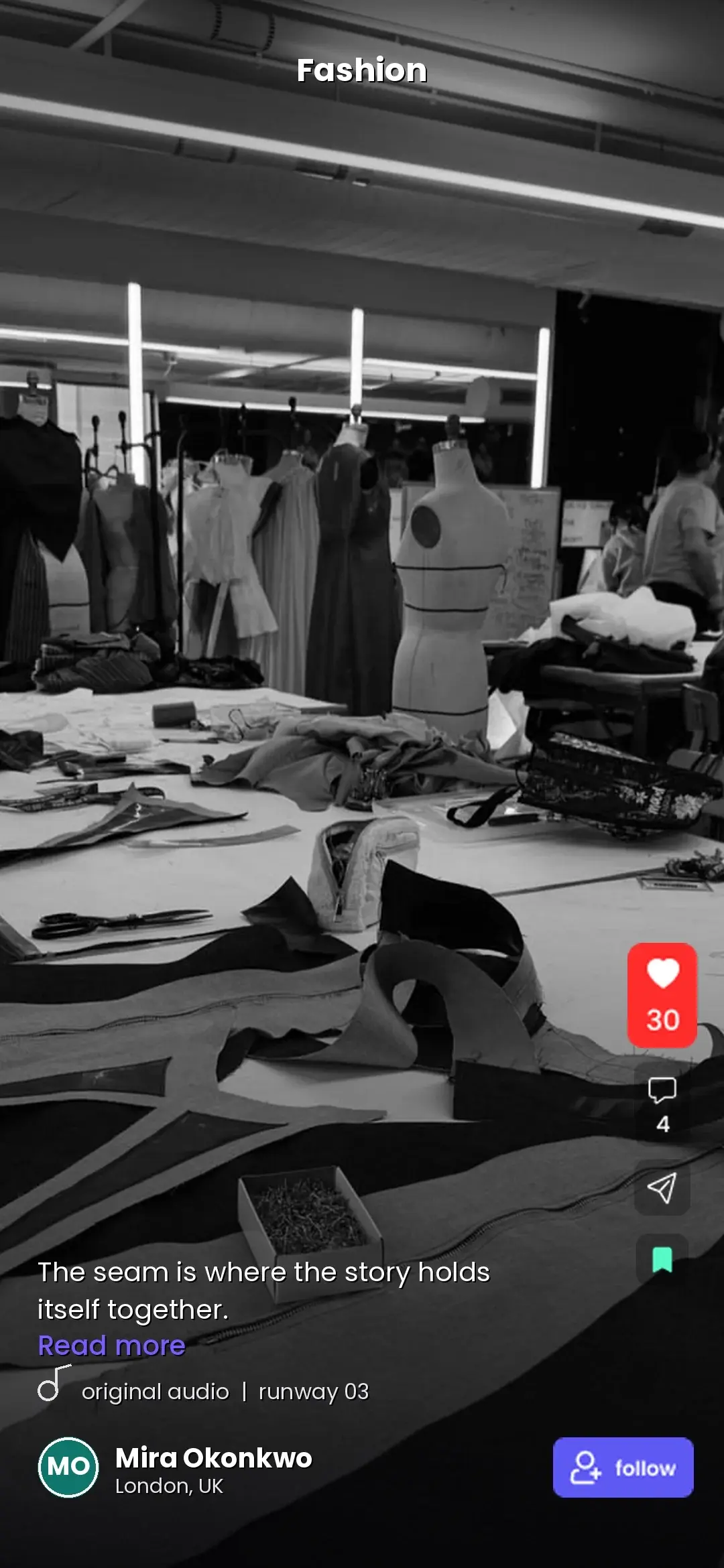
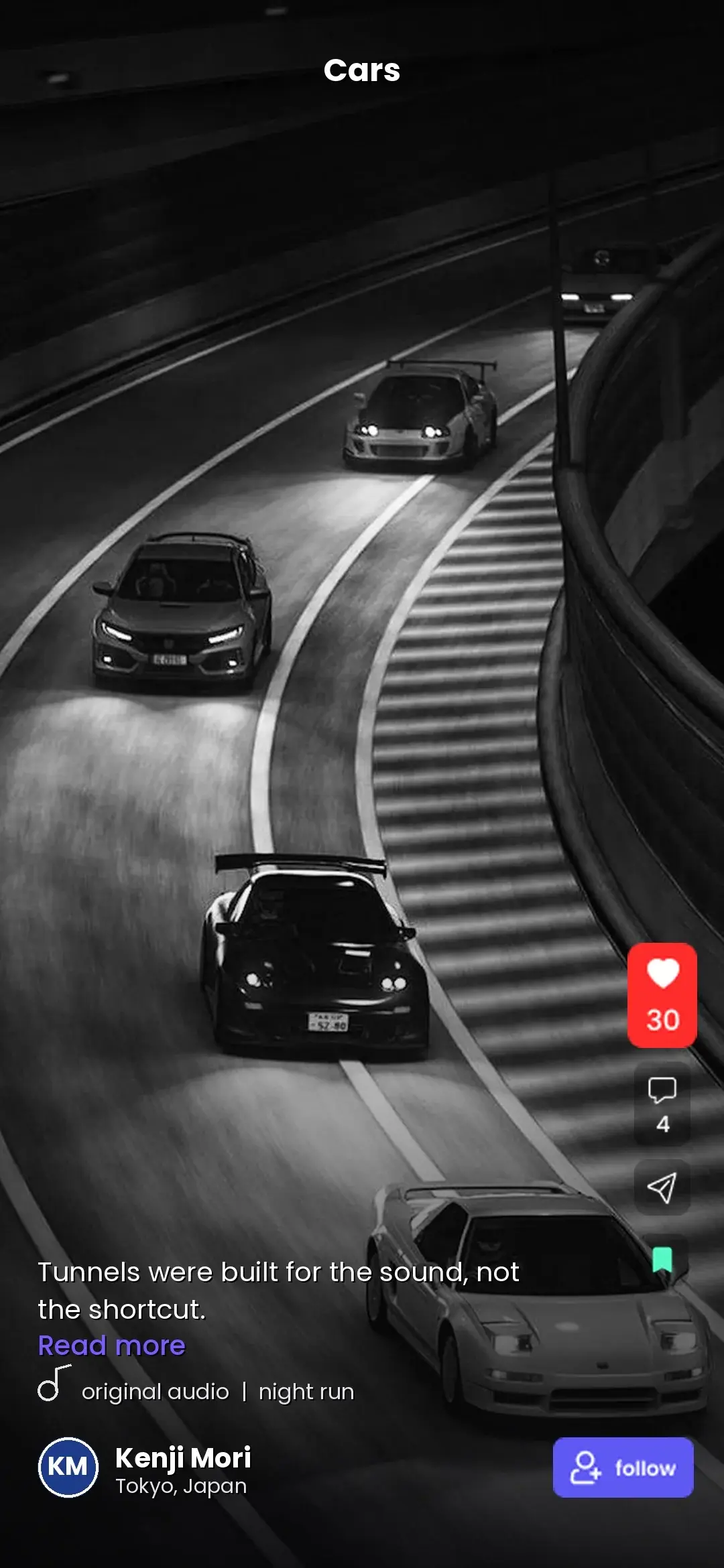
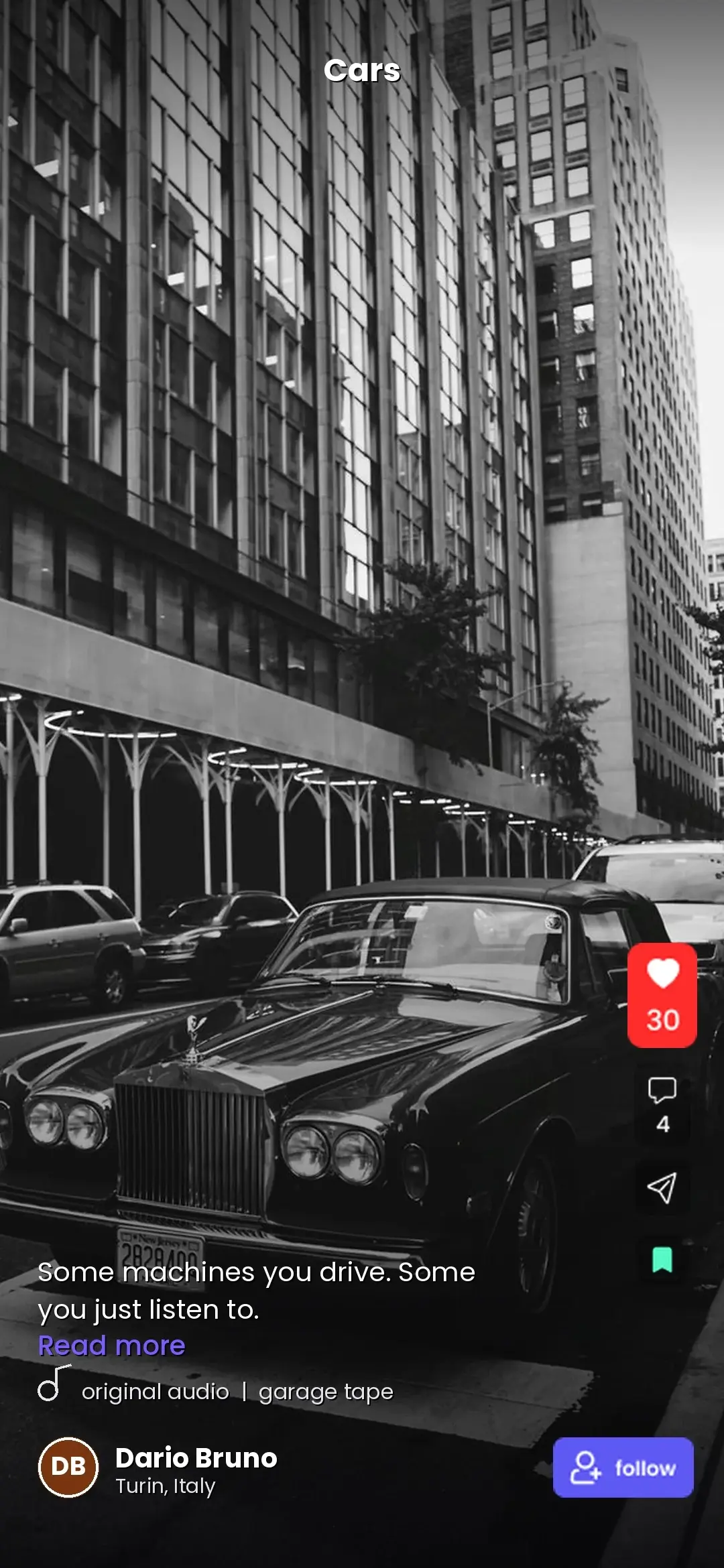
After the swipe, the proof
The left swipe is where people actually lean in.
Engagement is not evenly spread across gestures. The down swipe is the default scroll, but the intentional left swipe (staying on a topic) is where people lean in.
| Gesture | Share of likes | Share of profile visits |
|---|---|---|
| Left swipe (same topic) | est. 64% | est. 57% |
| Down swipe (next, random) | est. 36% | est. 43% |
Like and profile-visit attribution to the left swipe is an estimate pending a full event-level join. The 6.5% like rate and 19.7% left-swipe rate below are measured.
Product thesis
The product changes the unit of discovery from creator to topic.
Defined the problem as emotional whiplash and fragmented attention inside short-video feeds.
Built the product around left swipe for same-topic exploration and up swipe for new-topic discovery.
Rebuilt the recommendation approach after early retention issues, moving toward vector intelligence and trend signals.
Positioned the platform around fair creator discovery, where relevance can beat follower count.
Connected the product model to contextual advertising, using swipes as intent signals.
What the data shows
I built the product, ran the growth, and read the numbers myself.
Two data systems sit behind deepstory: an Amplitude event stream for how people use the product, and a Google Ads + Play Console stack for how they were acquired. Below are the points that actually changed decisions.
Product signals · Amplitude
21,587
swipes analysed
A 180-day Amplitude event export across the core feed, the base for every product read below.
19.7%
left-swipe rate
The USP save action fired on nearly 1 in 5 swipes, 2.4× the traditional like button (4,246 vs 1,762). The new mechanic beat the borrowed one.
9.5 : 1
positive-to-negative signals
Only 9% of swipes were skips (1,950 of 21,587). For an early feed, that is a strong read on content relevance.
82.4%
creator upload completion
Once a creator opened the editor, they finished the upload (455 of 552). Creation UX was not the bottleneck, discovery of the editor was.
6.5%
like rate across all views
Counting every swipe as a view (down, left, and right swipes), 2,871 likes landed across 44,224 views. A real read on how often content earned a like.
Cars and Football
top explore topics
Automobiles and Football drove the most same-topic left-swipe exploration, the clearest signal that topic-led demand was real.
Marketing performance · Google Ads + Play Console
25,642
paid installs
From ₹245,303 of Google Ads spend over 12 months, 4.06M impressions at a 5.79% CTR.
₹0.81
YouTube CPC
YouTube drove 72% of all clicks at the lowest cost per click of any channel, the clear lever to scale, and where budget got concentrated.
₹7.53
best cost per install
Peak-efficiency window (Jan to Feb 2025) at a 0% crash rate. Cost held steady while volume scaled.
14.6% → 33.4%
store-conversion lift
Play Store listing conversion more than doubled across periods through iterative store-page work.
How I read and acted on it
Isolated app crash rate as the hidden driver of marketing waste: at a 0% crash rate CPI was ₹7.53; when crashes spiked, CPI jumped to ₹29. The fix was a product fix, not a bid change.
Confirmed the core mechanic was working, the left-swipe save fired 2.4× more than the like button, and doubled down on the USP instead of a borrowed pattern.
Found the real onboarding leak: an 88.6% drop between signup and selecting category preferences, and prioritised it over spending more at the top of the funnel.
Proved organic pull existed: during a 61-day zero-spend window the app still took 154 installs and held ~86 DAU, separating genuine product demand from paid demand.
Caught a discoverability gap in the tracking: a measurable segment backed out of a topic thread instead of swiping up to switch topics, a signal they had not found the up-swipe affordance. I kept that exit event separate from the intentional explore-similar action so engagement was never overcounted, and used it to prioritise making the 'swipe up for a new topic' cue more obvious.
In my own words
The real story behind deepstory.
This concept just made sense to me. With reels it is too difficult to keep track of, or even remember, what you watch. Building it also taught me the hard truth about fundraising. I did over 100 meetings where no one doubted the idea, but the real problem was that the competition is simply too big, and too many social apps had launched with no uniqueness, which had already hurt the Indian market. My next step is to take this global, try it in a different market, and focus more on intelligent topics rather than pure entertainment.
Public proof